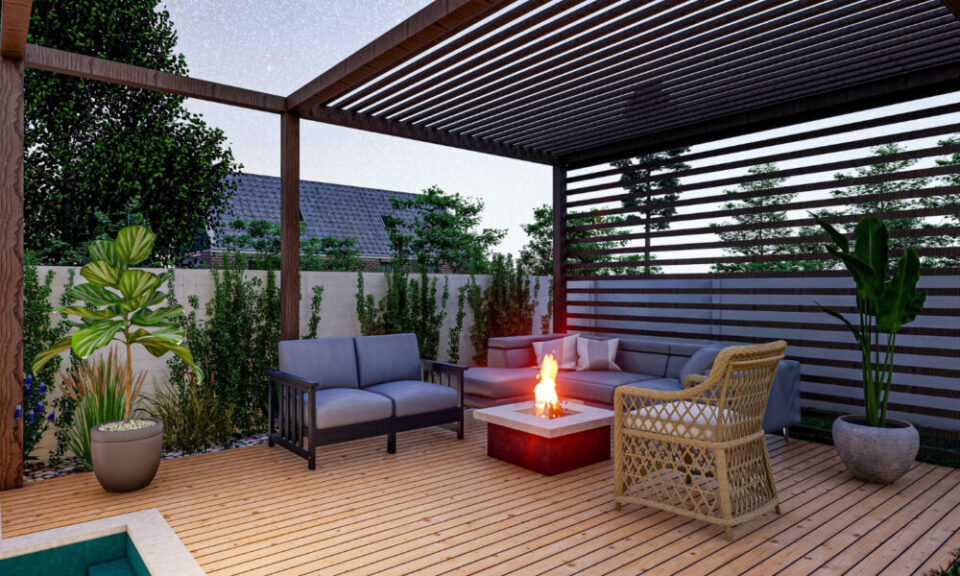
Outdoor spaces have grown in importance, and incorporating smart outdoor layout ideas starts with understanding your space. Using proven landscape design principles and customizing features to match your lifestyle and needs helps create an outdoor area that is both functional and visually appealing.
Understanding Your Outdoor Space
You can always be in a position to assess your outside space before initiating any improvements. Evaluate the size, shape, landscape, direction, and existing usage of space. Being aware of these factors will be able to assist you know what will work well in your yard and what constraints you might come across. Talk to family members about your goals to see what features the family likes most about it. Take into account your style of choice.
The Principles of Landscape Design.
Sound landscape design is a blend of aestheticism and utility. To begin with, do not work on your site contrary to its natural conditions, such as soil, slope, and microclimate. An effective outdoor design is both attractive and practical, such as seating, paths, and landscaping they must be both aesthetic and practical.
Balance is important: buildings, landscapes and parks must be proportionate to each other in a way that no one part is overpowering the others. The addition of a focal point to the form of a patio, a fire pit, or a sculpture in the garden provides the eye with something to rest upon and will create a visual impact. The fact that it is possible to move smoothly between spaces e.g. between decking and lawn or patio and garden beds makes the whole space appear to be in harmony with each other.
Maximising Small Spaces
Even small yards may seem small, but considering the design and multipurpose features can do a lot to add to each square foot. For example:
Add a Spa Area: Even small rooms can have a relaxing spot with a bench or hammock. A small water feature such as a pond or a fountain is not only sensory but also does not occupy a lot of floor space.
Plant an Edible Garden: Planting an edible garden includes fruits, vegetables and herbs as well as ornamental plants to form a fruitful as well as appealing garden which fits small spaces.
Add Storage: Select furniture that can serve as storage like benches with drawers or foldable chairs that will store tools and other accessories by tucking them in drawers.
These plans will help to expand a small yard and add functionality.
Enhancing Large Spaces
Big properties are more flexible but the segmentation should be thought through to prevent wasting space. Consider:
Construction of an Outdoor Kitchen: an outdoor cooking and dining area will promote socialisation and increase the space to live outdoors.
Designing a Lounge Area: Seating with such details as a fire pit or covered pergola creates an inviting space of relaxation.
Introduction of Yard Gambling Spots: Have spots where games such as bocce or lawn bowling are played so that people can playfully interact.
Creating a Reading or Meditation Nook: Personal retreats are serene areas with shade, good vegetation or waterfalls.
Adding a Pool or Hot Tub: The water elements will make it a strong element of attention and will improve the functionality of the exterior rooms.
Incorporating Greenery
Plants play an important role in any successful outdoor environment. They help to support wildlife, enhance air quality and promote mood. Use plant varieties that are suited to your climate and match your design. Properly located greenery helps to soften the hard edges and also provides privacy as well as adding interest throughout the year.