
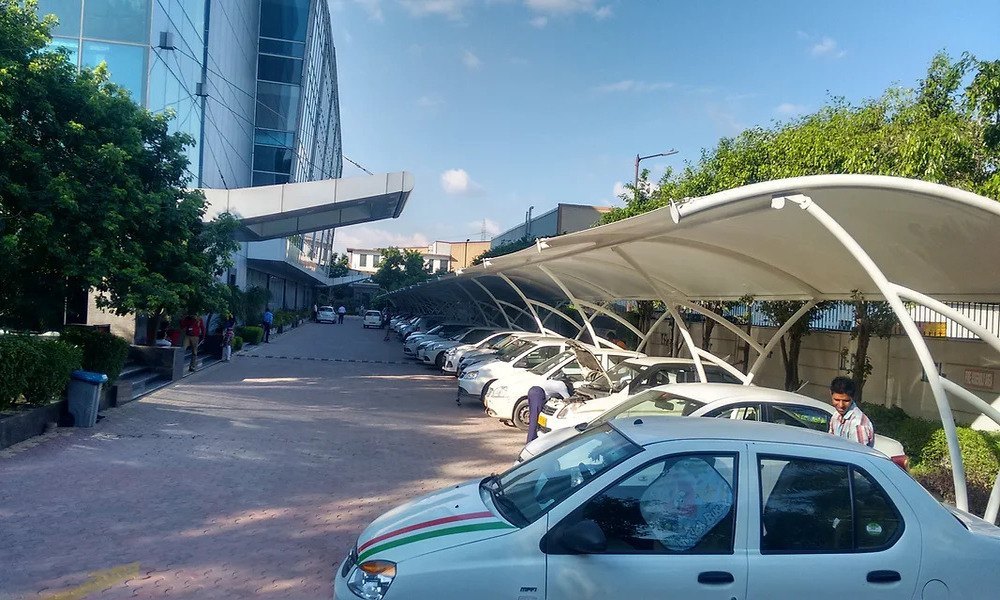
Efficient parking lots are essential for businesses, commercial centres, and public facilities. A well-organised parking area reduces congestion, improves safety, and creates a more convenient experience for drivers and pedestrians. When parking spaces are poorly designed or managed, vehicles may struggle to move smoothly, leading to delays and frustration. By implementing practical strategies, property owners and managers can significantly improve parking lot efficiency and maximise available space. maximizing revenue with parking lot striping allows businesses to optimise space usage, increase parking capacity, and create a more organised layout that supports better traffic flow and higher customer turnover.
Optimise Parking Layout
One of the most effective ways to improve parking lot efficiency is by optimising the layout. Properly spaced parking rows and clearly marked spaces help drivers park quickly and safely. Angled parking spaces can make entering and exiting spots easier, especially in areas with one-way traffic flow. A thoughtful layout ensures that the available space is used effectively without creating unnecessary congestion.
Improve Traffic Flow
Smooth traffic circulation plays a major role in efficient parking lots. Clearly marked entry and exit points help prevent confusion and reduce bottlenecks. Directional arrows, lane markings, and signage guide drivers through the parking area and help maintain order. In larger parking lots, establishing one-way lanes can further reduce conflicts between vehicles.
Use Clear Signage and Markings
Visible signage and well-maintained markings make parking areas easier to navigate. Signs indicating entrances, exits, reserved spaces, and accessible parking help drivers quickly find the right spot. Freshly painted lines also ensure vehicles stay within designated spaces, preventing wasted room and allowing more cars to park comfortably.
Implement Smart Parking Technology
Technology can significantly improve parking lot efficiency. Parking sensors, digital displays, and mobile applications can guide drivers to available spaces in real time. This helps drivers find parking more quickly and reduces unnecessary traffic within the lot. Businesses and property managers can also use data collected by these systems to monitor parking usage and plan future improvements.
Designate Zones for Different Users
Separating parking spaces based on user groups can improve organisation and efficiency. For example, customer parking can be placed near entrances, while employee parking may be located farther away. Delivery vehicles and service trucks can also be assigned designated areas to prevent them from blocking regular parking spaces.
Maintain the Parking Area
Regular maintenance helps ensure that parking lots remain functional and safe. Repairing damaged surfaces, repainting faded lines, and ensuring proper lighting can make the area easier to use. Well-maintained parking lots also create a more positive impression for visitors and customers.
Encourage Short-Term Parking
In busy areas, encouraging short-term parking can improve turnover and make spaces more available for visitors. Time limits or designated short-term parking zones allow more drivers to access convenient spots throughout the day. This approach is especially useful for retail businesses and commercial areas.
https://www.youtube.com/watch?v=t0DmPEL_08E
Conclusion
Improving parking lot efficiency requires a combination of smart design, clear organisation, and modern technology. By optimising layouts, improving traffic flow, using clear signage, and maintaining the parking area, property owners can create parking facilities that are organised and easy to use. Efficient parking lots not only maximise available space but also enhance the overall experience for drivers and visitors.
