
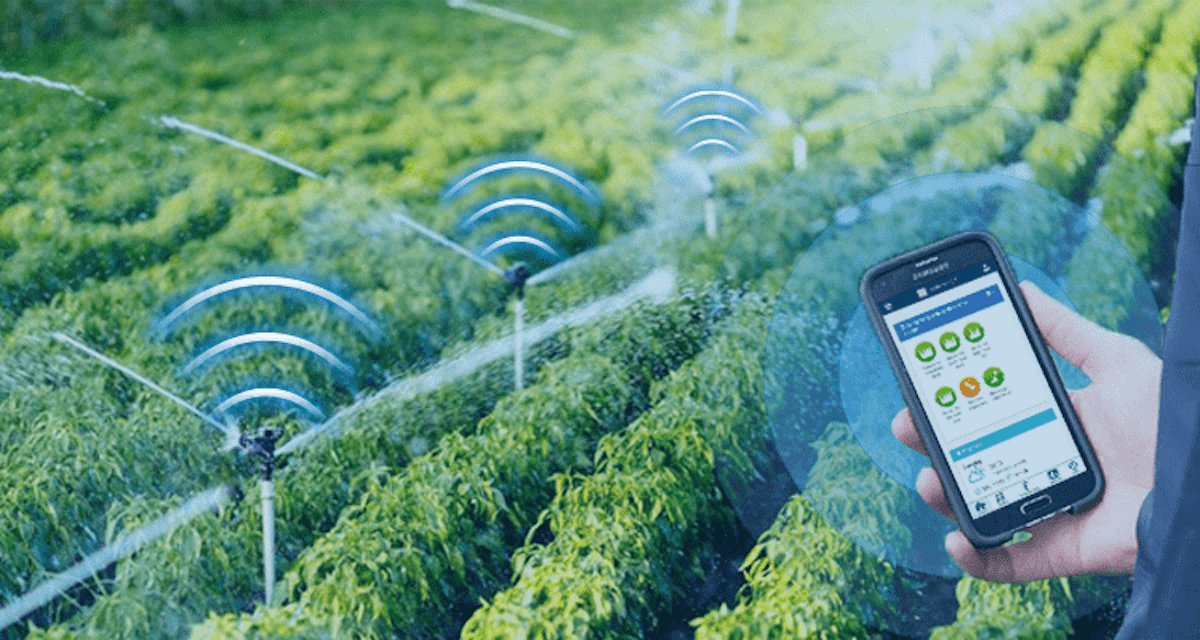
The environment of agriculture now is in a severe crisis: the classical modes of irrigation are unable to sustain the water demand in the new reality of water sustainability. The world uses up to 70-80 per cent of the fresh water in agriculture alone yet climate change and the growing water scarcity are all over.
What is Smart Irrigation?
Smart irrigation is the integration of high-tech solutions such as Internet of Things (IoT), Artificial Intelligence (AI), and real-time sensors in order to automate and optimise the process of delivering water to farms. In contrast to the traditional systems that use fixed schedules or manual operations, intelligent systems gather information about the soil moisture, weather, and crop requirements and modify the watering in real-time. irrigation systems for farming This will enable the water to be served at the appropriate time and location when it is needed and will ensure wastage is minimised and precious resources are saved.
The core part of these systems is IoT sensors that continuously check the main environmental parameters and transmit data to the cloud or local application. The data is then analysed on these platforms through AI or machine learning models to predict what water is required and automatically control the irrigation schedule.
Precision in Every Drop
Smart irrigation is the irrigation process that offers accuracy by applying water to crops according to real-time environmental data. Key technologies include:
IoT-powered sensors: These sensors continuously monitor the soil moisture, temperature, and other conditions and deliver precise information to make decisions concerning the water.
AI and machine learning: The algorithms analysing the past and current data can make predictions about water requirements, assisting the systems to arrange the irrigation processes most efficiently.
Live weather integration: Intelligent controllers integrate local weather conditions to modify watering schedules and prevent the needless water irrigation before it rains or during cooler seasons.
Accurate delivery systems: The water is sprayed on the root area of the plants, and therefore, evaporation is low without wastage of water.
The combination of digital brains with irrigation devices will be more responsive and effective in agriculture, particularly in areas with unpredictable rainfall or water shortages.
Additional Benefits Water Savings.
Smart irrigation presents immense results to the farmers as well as to the environment:
Large water conservation: These systems can save up to 40 per cent or more of water and this is very important in water-strained regions.
Reduction of energy: The reduced pumping and distribution will help reduce energy usage, which will help in the minimisation of operation costs.
Healthier crops and higher yields: When plants are watered with the appropriate amounts of water at the appropriate times, production and growth are normally enhanced.
Environmental conservation: Accurate irrigation reduces runoffs and destroys soil quality, safeguarding ecosystems and domestic water quality.
All these advantages contribute to sustainable farming, which minimises the environmental impact of farming and ensures financial sustainability.
Challenges to Adoption
Smart irrigation systems have challenges regardless of their potential. Small and medium-scale farmers may find it difficult to afford the upfront expenses of equipment and installation. Also, they usually need technical expertise to install and support, and they need to have good connectivity- which in remote country districts, may not be available.
Another issue is the question of data privacy and its compatibility with the existing farm infrastructure. Farmers might be reluctant to use new technology, when they are uncertain about the purpose of their data or lack systems that can be easily compatible with older equipment.
