
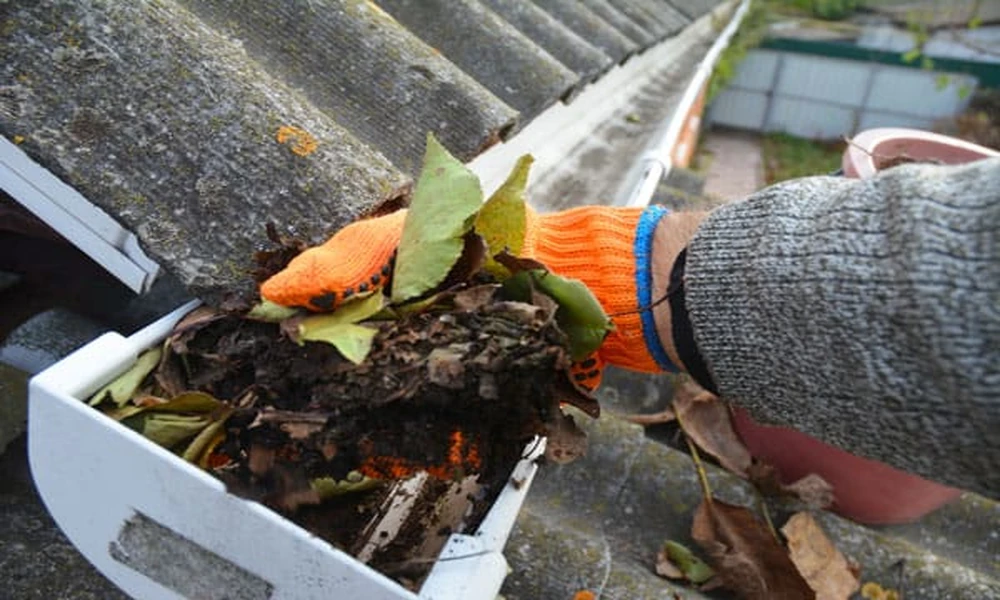
By the middle of November, the hardwoods across the foothills have done most of their dropping. Poplars and maples stand bare, oaks hold on a little longer, and pine needles keep drifting down all winter. Most of it lands in the yard, but a surprising amount lands on the roof. It rarely leaves on its own.
Homeowners on wooded lots usually find out about the problem only when a ceiling stain shows up in January. Contractors who work these hillsides see the same pattern every year. Brian King Roofing is a family-owned company that has handled roof repairs and replacements around Blount, Sevier and Knox counties since 1991. It works on homes where tree cover is part of daily life, and debris is one of the most common causes of slow leaks and early shingle wear.
Leaf damage builds slowly and is easy to miss from the driveway. That’s why it’s worth a closer look before the wet months arrive.
What Wet Leaves Do to Shingles
Asphalt shingles are built to shed water fast. The granules on top protect the asphalt from sunlight, and the slope carries rain to the gutters in seconds. A mat of wet leaves gets in the way of both.
Leaves hold water like a sponge. Shingles that would normally dry within an hour after a storm stay damp for days under a soggy layer. That steady moisture softens the asphalt, loosens granules and gives algae and moss an easy place to grow. Tannins from rotting leaves can also leave dark stains that don’t wash away.
Piles of debris also act like small dams. Water that should run straight down the roof backs up behind them and spreads sideways. From there it can creep under shingle edges and reach nail holes that were never meant to sit in standing water.
Where Debris Builds Up First
Leaves don’t spread evenly across a roof. A few spots collect most of them.
Valleys
A valley, where two roof slopes meet, carries more water than any other part of the roof. It also funnels leaves. Once a valley clogs, rain from both slopes has nowhere to go, and that is often where the first leak appears.
Behind Chimneys and Dormers
The uphill side of a chimney forms a flat pocket where debris piles up. The flashing there is already a weak point, and wet leaves pressed against it for months will find any gap.
Low Slope Sections
Porch roofs and spots where an addition joins the main roof often have a gentler pitch. Leaves slide off slowly there, sit longer and rot in place.
Gutters and Eaves
A full gutter spills water behind itself instead of over the front edge. The fascia board soaks it up, the edge of the roof deck stays wet, and on freezing nights the trapped water can turn to ice along the eaves.
The Slow Rot You Cannot See From the Ground
Often the real cost of debris is under the shingles. Moisture that gets past the surface reaches the underlayment and then the roof deck. Plywood and OSB can handle an occasional drip, but repeated soaking makes them swell, come apart in layers and form soft spots that flex underfoot.
Moss makes it worse. Its rootlike strands, called rhizoids, push into the gaps between shingles and lift the edges. A roof can look healthy on the sunny side while the shaded corner under a big oak is quietly failing.
Inside the house the early signs are faint. A light brown ring on a ceiling, a musty smell in the attic, or dark staining on the underside of the deck near a valley all point to water that has been sitting too long.
Dry Leaves Carry a Different Risk
Wet debris is a moisture problem. Dry debris is a fire problem, and this region learned that the hard way. In late November 2016, after a long dry spell, the Chimney Tops 2 Fire burned out of Great Smoky Mountains National Park and into the Gatlinburg area, pushed by severe winds. Gusts carried burning embers long distances and started new fires well ahead of the main front.
Embers need a place to land and catch. Dry leaves in a gutter or packed against a dormer are exactly that. The U.S. Forest Service lists clearing leaves and debris from gutters, eaves, porches and decks among the simplest steps homeowners can take, along with fixing loose or missing shingles so embers have fewer ways in. For houses tucked into wooded ridges, a clean roof is a fire safety measure as much as a maintenance task.
Clearing a Roof Without Damaging It
It’s easy to clear a roof the wrong way. Pressure washers strip granules and can force water under shingles. Metal rakes scrape the surface. Walking on a cold roof early in the morning can crack brittle shingles, and walking on a wet one is how people fall.
Gentler methods work better:
- A leaf blower used from a stable footing, blowing down the slope rather than against it
- A soft bristle roof rake on an extension pole, used from the ground on single-story sections
- Clearing valleys and chimney pockets by hand on a dry afternoon
- Cleaning gutters right after the main leaf drop and again in late winter
Steep pitches, second-story eaves and mossy roofs are best left to someone with proper fall protection. Moss in particular should be treated with a roof-safe product and left to die back. Scraping it off tears the shingles it is clinging to.
Cutting Down the Source
The fix that lasts longest happens in the trees, not on the roof. Branches hanging over the house drop the most debris, keep the roof shaded so it dries slowly, and scrape the shingles in strong wind. Trimming them back several feet from the roofline lets sunlight and airflow do much of the work.
Gutter guards help, but they don’t solve the problem on their own. Mesh guards block most leaves, but they still need an occasional brushing, and pine needles can wedge into some designs. They shrink the chore rather than end it.
Timing matters too. On heavily wooded lots, one cleaning a year is rarely enough. An early November pass catches most of the hardwood leaves. A second one in December or January handles the oaks that let go late and the needles that never really stop.
Reading the Roof After the Leaves Fall
Once the trees are bare, the roof is easier to see than at any other time of year. That makes late fall a good time for a simple check from the ground with binoculars. Dark streaks, green patches, curled shingle edges or bare spots where granules have washed off all suggest that debris has been sitting in those areas too long.
None of these signs means the roof is finished. They mean it has been working harder than it should. Catching that early, while the fix is still small, is the difference between replacing a few shingles in a valley and replacing the decking underneath them. A roof surrounded by trees can still reach its full lifespan with steady care, and most of that care comes down to keeping it clear.
