
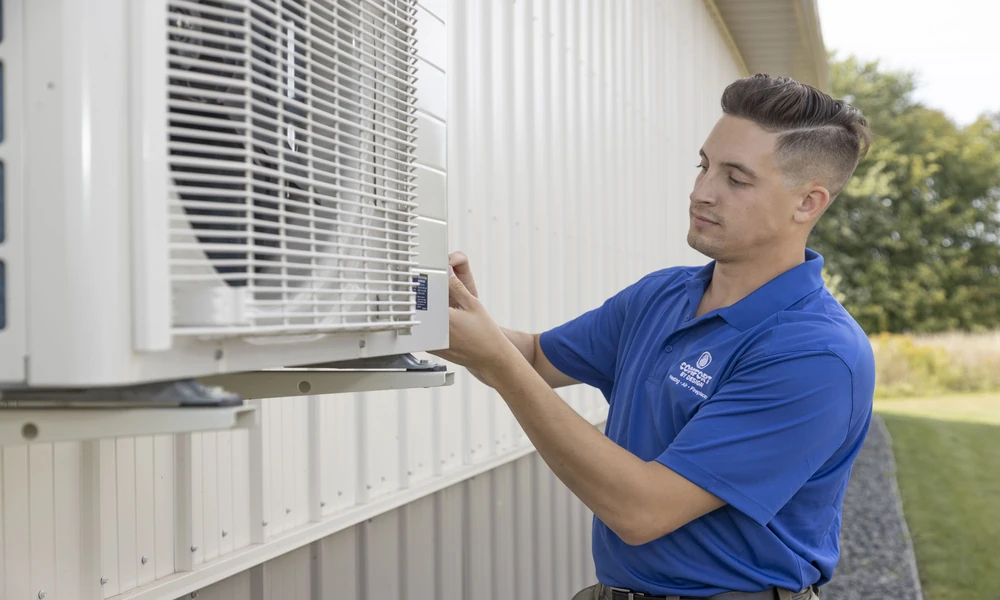
Your HVAC system can appear to be working normally while hidden problems gradually affect indoor comfort, energy efficiency, and household costs. Not every issue produces an obvious warning sign. Some develop slowly, making them easy to overlook until rooms become uncomfortable or energy bills begin to rise.
When these problems are difficult to identify, a local HVAC service in Conway can help assess the system and determine what may be affecting its performance. Professional attention can be particularly useful when an HVAC system runs for long periods, struggles to maintain the desired temperature, or develops unusual operating patterns. A proper inspection can look beyond the thermostat and identify issues involving airflow, ductwork, electrical components, drainage, or other parts that influence overall system performance.
Restricted Airflow Can Go Unnoticed
Airflow problems are among the hidden issues that can affect HVAC performance. A dirty filter is an obvious possibility, but blocked return vents, obstructed supply registers, or problems within the ductwork can also restrict circulation. When air cannot move freely, some rooms may remain warmer or cooler than others even though the system continues running.
Poor airflow can also make the equipment work harder to maintain the selected temperature. Homeowners may notice longer operating cycles, weak airflow from vents, or inconsistent comfort throughout the property. If these signs persist, local HVAC service in Conway can help identify the underlying airflow problem and determine whether the system needs cleaning, repair, or further inspection.
Ductwork Problems Can Increase Energy Waste
Ductwork is often hidden behind walls, ceilings, or floors, which makes problems difficult to spot. Leaks, loose connections, damaged sections, or inadequate insulation can allow conditioned air to escape before it reaches the intended rooms. As a result, the HVAC system may need to operate longer to achieve the desired indoor temperature.
Poorly performing ducts can also contribute to uneven temperatures. A room that consistently feels uncomfortable may not have a faulty thermostat or air conditioner at all. The problem could be related to how conditioned air is distributed through the property. Inspecting the duct system can therefore be an important part of diagnosing persistent comfort issues.
Electrical Components May Be Deteriorating
Electrical problems can develop gradually and may not always cause an immediate system failure. Worn components, loose connections, or other electrical faults can affect how reliably heating and cooling equipment starts and operates. Signs such as intermittent operation, unexpected shutdowns, or unusual sounds should not be ignored.
Because HVAC equipment contains electrical components that can present serious safety hazards, homeowners should avoid attempting complex electrical repairs themselves. A qualified technician can inspect the system safely and determine whether a component requires repair or replacement. Addressing the issue early may also help prevent additional strain on connected components.
Drainage Issues Can Remain Hidden
Air conditioning systems naturally produce condensation during operation, and that moisture needs to drain away correctly. A blocked or damaged condensate drain can cause water to collect where it should not. Depending on the system and location of the blockage, homeowners may notice moisture, water around the indoor unit, unpleasant odours, or unexpected shutdowns.
Regular maintenance can help identify drainage problems before they become more disruptive. If water repeatedly appears near HVAC equipment, the cause should be investigated rather than simply cleaning up the visible moisture. Persistent leaks can damage surrounding materials and may indicate a drainage or equipment problem that needs professional attention.
Small Performance Changes Should Not Be Ignored
Homeowners often become accustomed to gradual changes in HVAC performance. A system may take slightly longer to cool a room, produce weaker airflow, or operate more frequently than it used to. Because these changes can develop slowly, they may not seem serious at first. However, they can indicate developing problems that deserve attention.
Unusual noises, inconsistent temperatures, unexplained increases in running time, or repeated cycling are useful warning signs. Keeping track of these changes can help a technician diagnose the problem more efficiently. Routine professional maintenance can also provide an opportunity to identify worn or dirty components before they have a greater effect on comfort and system operation.
Conclusion
Hidden HVAC problems can affect comfort and efficiency long before a complete breakdown occurs. Restricted airflow, damaged ductwork, electrical faults, drainage issues, and gradual performance changes can all interfere with normal operation. Paying attention to these warning signs and arranging appropriate maintenance can help homeowners address problems sooner. A well-maintained HVAC system is more likely to provide consistent indoor comfort while avoiding unnecessary repairs and operating costs.
